
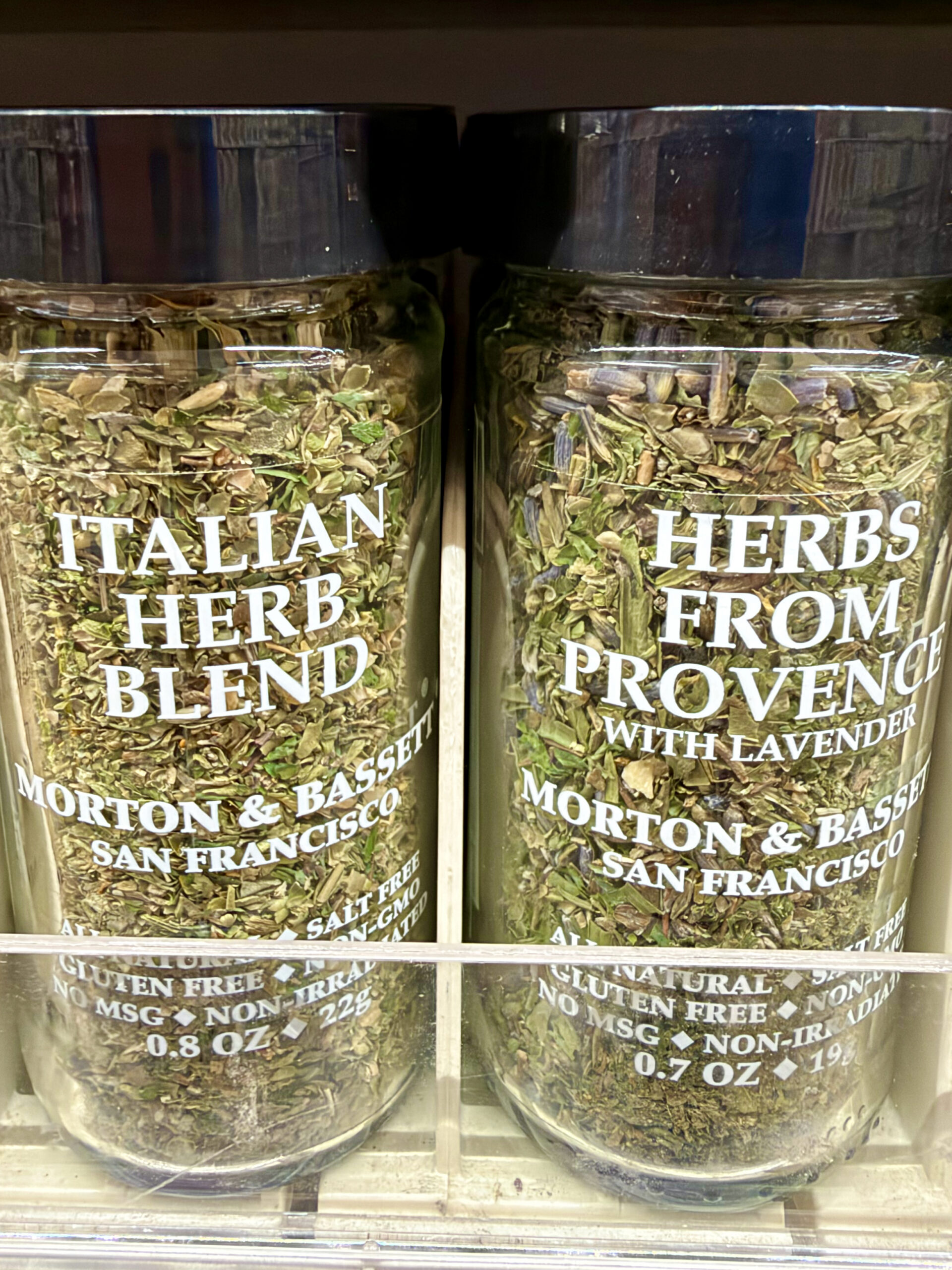
“Herbacious,” became all the rage by many a culinary channel. And while the word irks me a bit (most things overused or overdone, do), herbs are a powerful #FlavorBuilder without added sodium.
We’ll chat more about fresh herbs in a future post, but today let’s look at their dried blend friends. More shelf stable and clutch in many recipes.
Italian Blend
This is my go-to dried herb blend. I keep handy with other spices right next to garlic and onion powders. Perfect for roasted chicken or potatoes, Italian blend packs both flavor and nostalgia.
While I keep dried oregano and basil, too, this blend adds smaller amounts of marjoram, rosemary and thyme. It’s versatile enough to go directly onto proteins like chicken or pork, or added to pasta with melted butter or olive oil.
Za’atar
A delicious blend from the Middle East that brings together new and familiar flavors. Blends often include thyme, sumac, toasted sesame seeds, and marjoram or oregano.
This rich seasoning naturally lends itself to flatbreads, olive oil dipping, roasted vegetables, and grilled meats.
Herbs de Provence
If I’m looking for a seasoning or blend that has more of a rustic, countryside vibe, I’ll reach for Herbs de Provence. This classical French blend harkens back to Sunday suppers and relaxing around the dinner table.
While similar to Italian blend, Herbs de Provence adds herbs like savory and tarragon to bring further flavor depth to your dish. Perfect for most recipes, but delicious on fish and root vegetables.
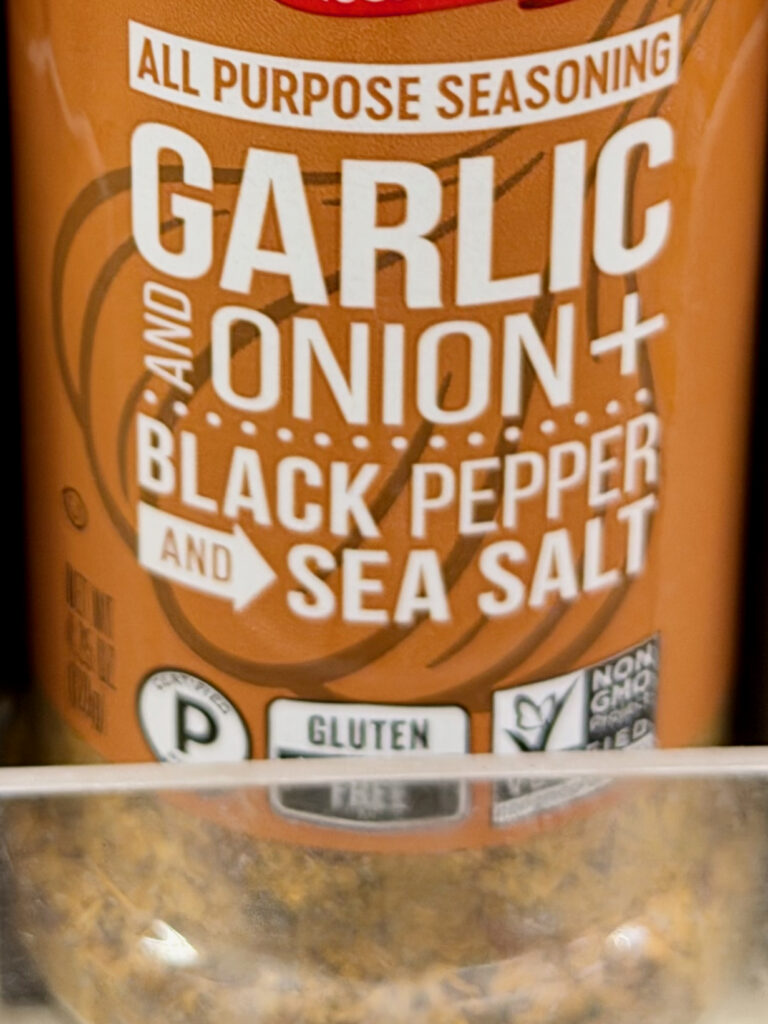
Check the Label
Traditionally both blends are only their dried herb recipe. And while they are readily available on grocery store shelves, you should check the ingredients to ensure there is no added salt.
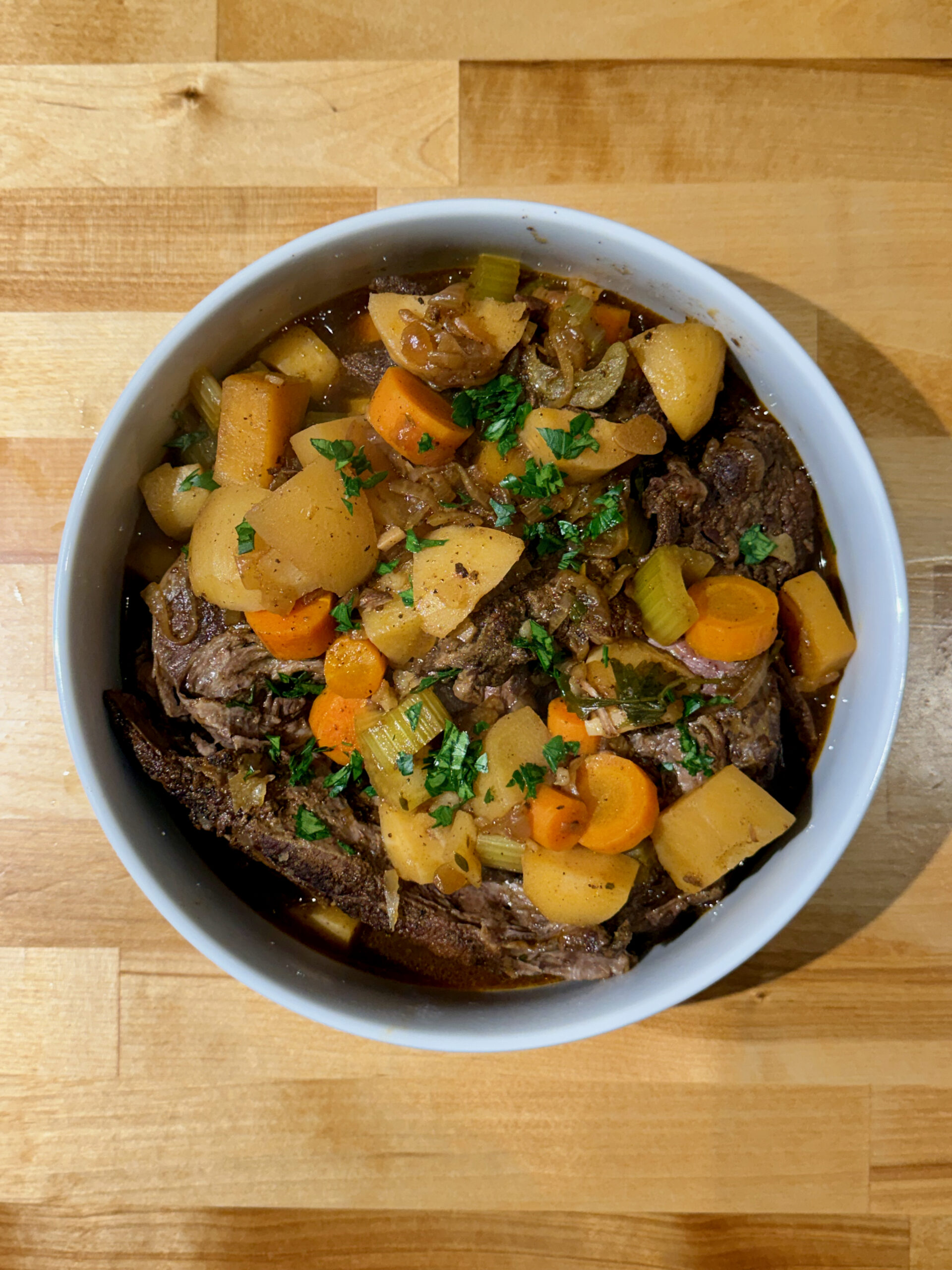
Choose blends that are only the herbs themselves. This will put you in complete sodium control of your final dish, whether it’s roasted red potatoes or a delicious slow cooked roast.
What’s your favorite herb blend? Share in the comments below!
#StaySalty




Leave a Reply